Scattered Chains, Silent Wallets: A Practical Guide to Recovering Forgotten On-Chain Assets
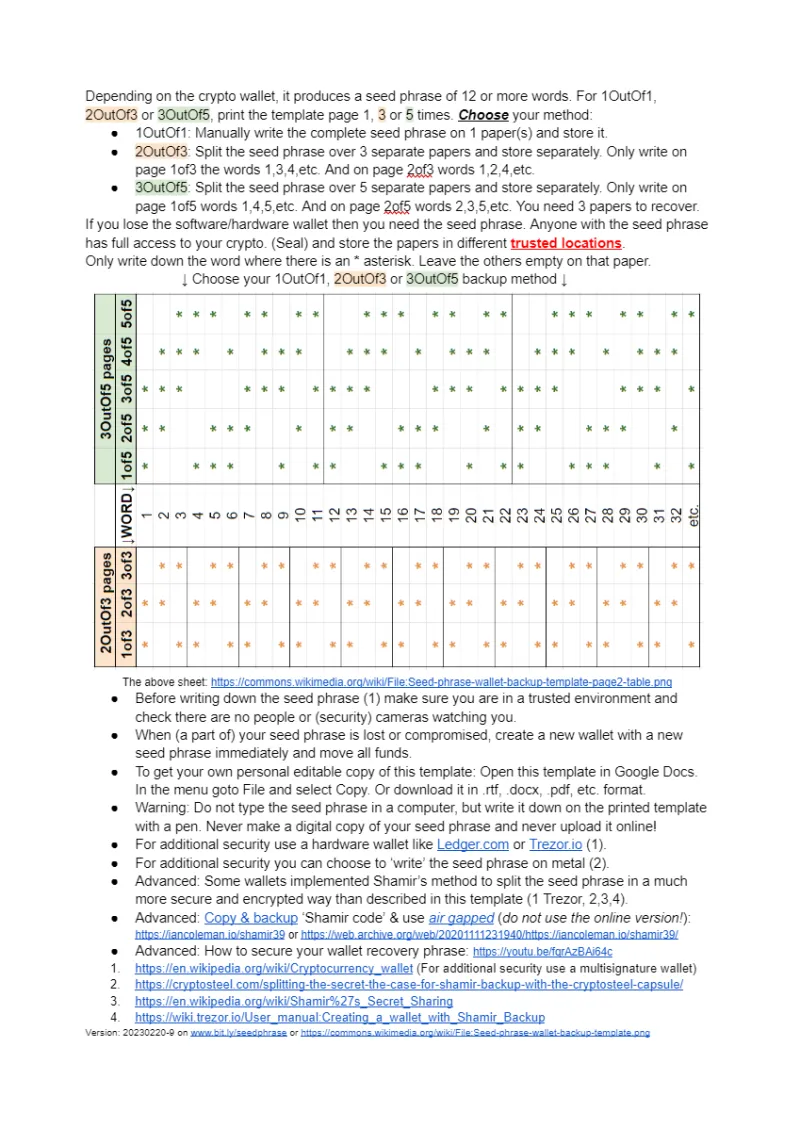
Photo: FlippyFlink, CC0, via Wikimedia Commons
The blockchain does not forget. Every transaction, every token transfer, every NFT mint is recorded permanently on a public ledger—available for inspection by anyone with an address and a block explorer. What the chain preserves, however, is not always what its owner remembers. Across the United States, a significant number of crypto participants hold assets they have effectively lost track of: wallets created during the 2017 bull run, exchange accounts tied to defunct email addresses, and hardware devices stored in drawers that have not been powered on since the last cycle. The assets in those wallets are not gone. They are simply waiting.
Recovering them requires a methodical approach—one that combines investigative discipline with careful attention to security and tax obligations.
Why Wallet Fragmentation Happens
The proliferation of wallets is a natural byproduct of how the crypto ecosystem evolved. Early adopters often created separate wallets for each chain or protocol they engaged with. Airdrop hunters maintained dozens of addresses to maximize eligibility. DeFi participants opened new wallets to isolate risk across positions. NFT collectors used different addresses for different collections, sometimes to preserve anonymity, sometimes simply out of habit.
The result is a scattered on-chain footprint that becomes increasingly difficult to manage as years pass. Email addresses change. Hardware wallets get misplaced. Seed phrases get written on paper that degrades or gets discarded. In many cases, the holder does not know what is sitting in those addresses—or even that the addresses still hold anything of value.
Starting the Recovery Process: Building an Address Inventory
The first step is not technical—it is archival. Before attempting to access any wallet, assemble every piece of documentation that might reference a wallet address. This includes:
- Old transaction confirmation emails from exchanges
- Screenshots of past portfolio dashboards
- Hardware wallet purchase receipts or setup records
- Browser history or bookmarks pointing to wallet interfaces
- Notes applications, cloud storage, and old device backups
- Tax documents from prior years that may list wallet addresses
US taxpayers who filed crypto gains in previous years may find wallet addresses referenced in their own IRS Schedule D records or Form 8949 attachments. That documentation, while created for compliance purposes, serves as a useful forensic map of past activity.
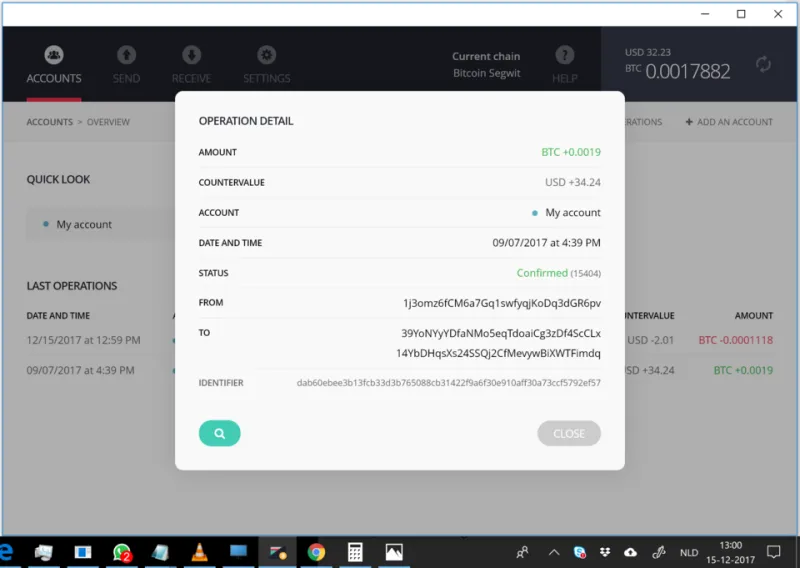
Once a list of candidate addresses is assembled, each one can be queried through a block explorer appropriate to its chain. Etherscan covers Ethereum and ERC-20 assets. BscScan covers the BNB Chain. Solana Explorer, PolygonScan, and Arbiscan serve their respective networks. A single address may hold tokens across multiple standards, including ERC-721 and ERC-1155 assets—meaning NFTs could be present alongside fungible holdings.
What You Might Find: Dust, Airdrops, and Overlooked NFTs
Dormant wallets frequently contain more than their owners expect. Several categories of value commonly surface during this kind of audit:
Dust balances — Small fractional amounts of ETH, BTC, or other tokens left behind after transactions. Individually insignificant, these can accumulate across many wallets into a meaningful aggregate sum, particularly when underlying asset prices have appreciated.
Unclaimed airdrops — Protocols have distributed billions of dollars in governance tokens to early users over the past several years. Uniswap's UNI distribution, Arbitrum's ARB airdrop, and numerous others targeted wallet addresses that met specific on-chain criteria. Many eligible recipients never claimed these allocations. Some airdrop claims have expiration windows; others remain open indefinitely. Tools such as Earni.fi and Harvest Finance's airdrop trackers can surface unclaimed distributions across multiple protocols simultaneously.
NFTs from early mints — Wallets active during the 2020–2022 NFT expansion period may hold assets from collections that have since appreciated, stabilized, or collapsed. Even collections with depressed floor prices may contain individual pieces with above-floor trait rarity that commands independent value in secondary markets.
Protocol rewards and staking positions — Liquidity provider positions left in DeFi protocols, uncollected yield from staking contracts, and vesting token allocations may still be accessible through the original protocol interface or through direct smart contract interaction.
Accessing the Wallet: Security Considerations
Once assets are identified, the question becomes how to access them without introducing new risk. The approach depends entirely on what recovery materials are available.
If a seed phrase is known, it can be imported into a current-generation wallet application such as MetaMask, Ledger Live, or Trust Wallet. Before doing so, verify that the software being used is the official, current version—phishing interfaces designed to capture seed phrases are widespread, and the recovery process is a particularly vulnerable moment.
If only a private key is available without a seed phrase, most wallets support direct private key import. This method works but should be treated as a one-time access event: transfer assets out immediately and avoid leaving the imported key in an active wallet interface longer than necessary.
If a hardware wallet device is recovered but the PIN is forgotten, the seed phrase remains the primary recovery path. Most hardware wallet manufacturers publish official recovery procedures that do not require the PIN if the seed phrase is intact.
In cases where neither the seed phrase nor the private key is available, recovery options become significantly more limited. Specialized services exist that attempt to reconstruct corrupted or partially remembered seed phrases through brute-force variation—but these should be approached with extreme caution. Engaging any third party with partial key material introduces substantial theft risk. Reputable services in this space operate with verifiable track records, escrow arrangements, and transparent methodologies.
Tax Implications of Consolidation
Consolidating assets from dormant wallets into active addresses is not a taxable event in itself—moving tokens between wallets you own does not constitute a disposition under current IRS guidance. However, several related activities do carry tax consequences that require attention.
Claiming an airdrop is generally treated as ordinary income at the fair market value of the tokens on the date of receipt. If tokens were airdropped in a prior tax year and are only now being claimed, the IRS position on the timing of income recognition may require consultation with a tax professional.
Selling or trading any recovered asset triggers capital gains or losses calculated from the asset's cost basis. For tokens acquired through early mining, airdrops, or protocol rewards, establishing a defensible cost basis requires documentation of the acquisition date and the fair market value at that time. Historical price data is available through sources such as CoinGecko and CoinMarketCap for most assets with sufficient trading history.
US taxpayers should also be aware that the act of discovering and consolidating assets does not reset holding periods. If a token was acquired three years ago, it qualifies for long-term capital gains treatment regardless of when the wallet containing it was rediscovered.
Building a More Durable On-Chain Footprint
The most effective response to wallet fragmentation is a structural one. After completing a recovery audit, establish a deliberate address architecture that reduces the likelihood of future asset loss. This might involve consolidating holdings into a small number of well-documented wallets, maintaining a secure and regularly updated record of all active addresses and their associated seed phrases, and adopting a custody model—whether hardware-based, multi-signature, or institutional—appropriate to the scale of the portfolio.
The on-chain record of everything you have ever done with digital assets remains intact. The work of wallet archaeology is simply the process of reconnecting with that record—and ensuring that value which was created is not permanently abandoned on a ledger that never forgets.