B8C Store Trade. Collect. Transact. On-Chain.

B8C Store

Trade. Collect. Transact. On-Chain.

Latest Articles

Rarity Scores and Dead Ends: Why Trait-Chasing Is Quietly Killing NFT Exit Strategies
Investing

Rarity Scores and Dead Ends: Why Trait-Chasing Is Quietly Killing NFT Exit Strategies

Rarity scores and trait combinations have become the dominant framework for NFT valuation — but the data tells a more complicated story. Traders who optimize for statistical uniqueness often find themselves holding assets that the broader market has no interest in buying. This piece examines how the trait-focused acquisition model creates liquidity dead zones and outlines a collection framework that balances rarity with actual market demand.

Open Doors You Forgot You Unlocked: The dApp Permission Problem Draining Crypto Portfolios
Trading

Open Doors You Forgot You Unlocked: The dApp Permission Problem Draining Crypto Portfolios

Every time you connect a wallet to a decentralized application and approve a token spend, you may be leaving a permanent door open to your assets. Dormant permissions accumulate silently across protocols, creating an expanding attack surface that most active traders never audit. This guide traces how those vulnerabilities form, how they get exploited, and what a disciplined revocation framework looks like in practice.

What Bridging Actually Costs: A Full Accounting of Cross-Chain Transfer Expenses
Trading

What Bridging Actually Costs: A Full Accounting of Cross-Chain Transfer Expenses

Cross-chain bridging is routinely described as a technical solution to fragmented blockchain ecosystems, but its financial costs are rarely presented in full. Beyond the headline bridge fee, traders absorb slippage, gas inefficiencies, liquidity decay, and timing risk that collectively erode far more value than the quoted rate implies. This breakdown quantifies each cost layer and proposes a practical framework for evaluating total transfer expense before committing capital.

Set It and Rebalance: How On-Chain Automation Is Reshaping the NFT Collector's Playbook
Investing

Set It and Rebalance: How On-Chain Automation Is Reshaping the NFT Collector's Playbook

Smart contracts and automated rebalancing tools are quietly transforming how serious NFT collectors manage their holdings—removing the emotional guesswork and replacing it with algorithmic discipline. But when automation collides with the structural illiquidity of NFT markets, the results are not always what collectors anticipate. This article examines the mechanics, the tradeoffs, and the risks of letting code manage your collection.

Moving Value Without Losing It: A Trader's Guide to Stablecoin Transfer Efficiency Across Chains
Trading

Moving Value Without Losing It: A Trader's Guide to Stablecoin Transfer Efficiency Across Chains

Transferring large stablecoin positions across chains and exchanges sounds straightforward until you examine what actually happens to your capital in transit. Slippage, bridge fees, routing inefficiencies, and settlement delays can quietly erode a meaningful percentage of every large transfer. This guide breaks down the real mechanics of cross-chain stablecoin movement and outlines practical strategies for US traders who need to preserve capital at scale.

Yield or Exit: The Staking Trap That NFT Collectors Are Only Beginning to Recognize
Investing

Yield or Exit: The Staking Trap That NFT Collectors Are Only Beginning to Recognize

NFT staking programs promise passive yield on otherwise dormant holdings, but the economics of locking digital collectibles into yield-generating contracts are more complicated than the advertised APY suggests. When illiquid assets become further encumbered by lock-up conditions, the opportunity cost can exceed the reward—and the exit window can close faster than collectors anticipate. This analysis examines when staking makes sense and when it quietly becomes a trap.

Investing

Two Portfolios, One Wallet: Reconciling the Trader's Instinct with the Collector's Patience

The same wallet that holds a carefully assembled long-term collection can quietly undermine it when trading impulses go unchecked. Structuring an on-chain portfolio to serve both active trading and long-horizon collecting requires more than discipline — it demands an architectural approach to capital allocation. This piece examines the frameworks that help traders protect their core holdings while staying positioned for short-term opportunity.

When Your Own Wallet Says No: Navigating Hardware Security Friction in Active Crypto Trading
Trading

When Your Own Wallet Says No: Navigating Hardware Security Friction in Active Crypto Trading

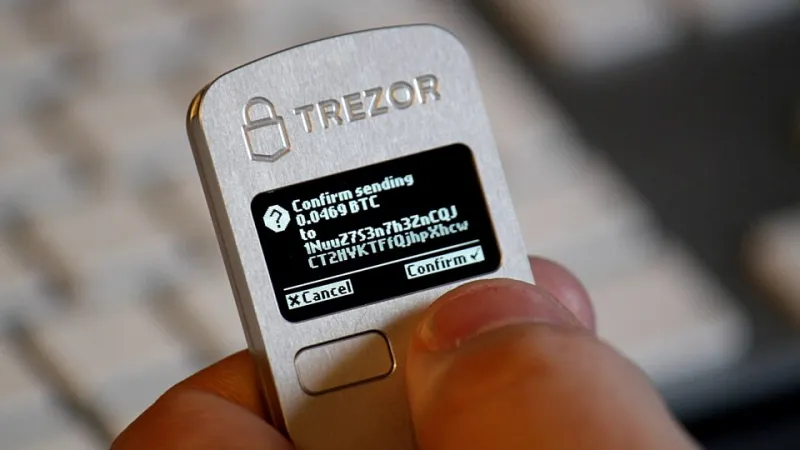
Hardware wallets were designed to protect you from bad actors — but in 2025, their increasingly sophisticated security layers are sometimes blocking legitimate transactions at the worst possible moments. Understanding why rejections happen, and how to structure your custody architecture accordingly, has become an essential skill for any serious on-chain trader.

More Is Not Better: Rethinking the On-Chain Collection Strategy That's Quietly Diluting Your Portfolio
Investing

More Is Not Better: Rethinking the On-Chain Collection Strategy That's Quietly Diluting Your Portfolio

Accumulating digital assets across chains and collections can feel like diversification, but for many collectors it quietly becomes a liability. Portfolio bloat erodes capital efficiency, fragments attention, and leaves holders with a sprawling inventory that is difficult to manage, value, or exit. This article examines how disciplined curation—not compulsive accumulation—defines the collectors who consistently come out ahead.

Depth That Disappears: How Incentive-Driven Liquidity Is Failing Altcoin Traders at the Worst Possible Moment
Trading

Depth That Disappears: How Incentive-Driven Liquidity Is Failing Altcoin Traders at the Worst Possible Moment

Decentralized exchange liquidity pools often project a false sense of market depth, inflated by temporary mining rewards that evaporate the moment conditions shift. When traders need reliable execution most—during volatility spikes or reward program expirations—they frequently discover that the depth they counted on no longer exists. Understanding how to audit pool health before committing capital is no longer optional for serious on-chain participants.

Scattered Chains, Silent Wallets: A Practical Guide to Recovering Forgotten On-Chain Assets
Investing

Scattered Chains, Silent Wallets: A Practical Guide to Recovering Forgotten On-Chain Assets

Years of active participation in crypto markets often leaves a trail of dormant wallets, forgotten seed phrases, and abandoned exchange accounts holding assets that still carry real value. This guide outlines systematic methods for locating stranded holdings—from dust balances and unclaimed airdrops to NFTs left behind in early-generation wallets—while carefully weighing the security and tax considerations that consolidation demands.

Your On-Chain History Never Forgets: Building a Tax Liability Map from Your Wallet's Past
Investing

Your On-Chain History Never Forgets: Building a Tax Liability Map from Your Wallet's Past

Every transaction recorded on a public blockchain is a permanent entry in a ledger the IRS can read as clearly as you can. Before an inquiry forces the issue, traders who reconstruct their complete on-chain history gain a significant advantage—identifying overlooked taxable events, timing discrepancies, and disguised wash sales before they become costly surprises.

Active Volume, Frozen Assets: The Liquidity Concentration Problem Hidden Inside NFT Collections
Trading

Active Volume, Frozen Assets: The Liquidity Concentration Problem Hidden Inside NFT Collections

A collection's trading volume can look robust on the surface while concealing a structural reality where only a narrow band of traits or token IDs actually change hands. Understanding how liquidity concentrates within collections—rather than across them—is one of the most underappreciated skills in on-chain trading. This piece breaks down what genuine price discovery looks like and how to distinguish it from the illusion of a functioning market.

Quoted but Unreal: The Widening Chasm Between NFT Floor Prices and What You Can Actually Get at Exit
Trading

Quoted but Unreal: The Widening Chasm Between NFT Floor Prices and What You Can Actually Get at Exit

Floor prices in illiquid NFT collections often reflect aspirational listings rather than executable trades, creating a dangerous illusion of value for holders who need to sell under time pressure. Understanding bid-ask spreads, order book depth, and the mechanics of real price discovery is essential before committing capital to speculative digital assets. This analysis examines how collectors can assess true market liquidity and avoid being trapped by numbers that look solid on a dashboard but d

The Spread Is a Lie: What Retail Traders Lose Chasing Cross-Exchange Arbitrage
Trading

The Spread Is a Lie: What Retail Traders Lose Chasing Cross-Exchange Arbitrage

Cross-exchange arbitrage looks like free money on the surface—a price difference that seems to demand immediate action. But for most retail traders, the math behind the spread dissolves under the weight of fees, delays, and structural disadvantages that institutional players have already priced in.

Manufactured Momentum: Identifying Bot-Driven Volume Inflation in NFT Collections
Trading

Manufactured Momentum: Identifying Bot-Driven Volume Inflation in NFT Collections

Automated wash trading networks are quietly distorting NFT market data, fabricating the appearance of demand where little genuine interest exists. For retail traders, the consequences of misreading these signals range from overpaying for illiquid assets to absorbing steep losses when artificial momentum collapses. Understanding how these schemes operate is no longer optional — it is a prerequisite for disciplined on-chain participation.

Ghost Bids and Vanishing Floors: What NFT Traders Miss About Offer Mechanics
Trading

Ghost Bids and Vanishing Floors: What NFT Traders Miss About Offer Mechanics

NFT floor trading looks straightforward until an offer you counted on evaporates seconds before execution. Understanding why bids disappear—and how experienced collectors defend against it—is essential knowledge for anyone operating in volatile on-chain markets.

Floor Price Is a Fiction: How to Determine What Your NFT Is Actually Worth
Investing

Floor Price Is a Fiction: How to Determine What Your NFT Is Actually Worth

The floor price of an NFT collection has long served as a shorthand for portfolio health, but that number increasingly tells collectors very little about the value of any specific asset they hold. Trait-based demand, utility divergence, and brand fragmentation have quietly dismantled the floor as a reliable benchmark. Understanding what your NFT is genuinely worth requires a more disciplined approach.

Trapped by Success: How NFT Collectors Navigate Appreciation Without a Clean Exit
Investing

Trapped by Success: How NFT Collectors Navigate Appreciation Without a Clean Exit

Significant appreciation in an NFT portfolio sounds like a problem most collectors would welcome—until the moment they attempt to convert that paper wealth into realized gains. Thin order books, fragmented liquidity, and market dynamics unique to non-fungible assets create a paradox where value accumulates faster than it can be responsibly extracted. This piece examines the structural constraints facing serious collectors and the tactical frameworks emerging to address them.

Dead Wallets, Live Assets: What to Do When Your Private Key Is Gone and Your Portfolio Isn't
Investing

Dead Wallets, Live Assets: What to Do When Your Private Key Is Gone and Your Portfolio Isn't

Billions of dollars in cryptocurrency and digital assets remain permanently stranded in wallets whose owners have lost access to their private keys. Understanding the recovery landscape—from professional services to smart contract-based social recovery—can mean the difference between a six-figure loss and a second chance at your on-chain holdings.